
Highland Previous Residents by Era
An address history needs a coverage map. County land records reach back farther than the online search interface may suggest, while directories and census schedules have separate date and geography rules. The table separates those layers before a name enters a family or address history. “Previous residents” may mean an owner, subscriber, census household, heir, or permit name. Keep those roles separate until sources connect them.
| Source | Years it covers | Where held | What it shows |
|---|---|---|---|
| Recorder books and official index | County records from 1853; online cutoff unstated | ARC, Hall of Records, older books | Recorded parties, instruments, legal land description, transfer clues |
| govPIMS parcel reports | Current system; prior history varies by parcel | San Bernardino County ARC portal | APN, owner history, prior roll values, characteristics and parcel changes |
| County probate | 1853-1926 | County Historical Archives and Arrowhead catalog | Estate case, spouse, children, heirs, and property references |
| Great Registers | 1866-1908 | County Historical Archives | Historical adult registrant details that vary by year |
| Telephone directories | 1919-1938 verified reel | Library of Congress online | Subscriber, address, exchange, and sometimes a household clue |
| Highland city directory | 1920-1921 reported | Allen County Public Library catalog reference | Potential directory entry; publisher and call number need confirmation |
| Sanborn map | 1907, one Highland sheet | Library of Congress | Building footprint, materials, and street context, not names |
| Federal census | Decennial schedules through 1950 | NARA, FamilySearch, library databases | Household relationships, names, ages, and reported work or birthplace fields |
| Permits and planning files | Project-specific dates | Highland departments and CPRA requests | Applicant, owner, contractor, and work date when present |
The table is a map, not a promise that every year or name is present. An empty telephone frame, missing deed image, and pre-incorporation census heading each mean something different.
Start Highland History with Today’s APN
Normalize the address in Highland GIS before looking for previous residents. Enter the full number and street or the APN, turn on the boundary, and record the APN, situs, tract or lot, and jurisdiction. Highland’s example uses 27215 Base Line. Test “Baseline” too when an older index uses the one-word form.
Carry the APN into county govPIMS. Property Info and Roll Values frame the parcel; APN History can explain a split, merger, subdivision, or assessment change. Owner History, Prior Roll Values, Prior Supplemental, and Characteristics add dates or names, but remain assessment evidence. A legal description is often more durable than a street number.
The current parcel anchors a previous-residents search. A name without that anchor may belong to a nearby lot, locality, or similarly named person.
Walk Back Highland’s Deed Chain
The deed chain runs backward from the latest transfer. In the ARC public index, search the current owner as grantee. Record grantor, date, document number, type, and legal or parcel reference. Search that grantor as an earlier grantee, restrict the date range, and compare the same land. The chain belongs to recorded ownership, so it reaches past owners, not automatically all previous residents.
- Save the current APN, owner, situs, and legal description from GIS and govPIMS.
- Find the current acquisition instrument under the owner as grantee.
- Copy the seller as grantor and search that seller as an earlier grantee.
- Compare APN history, tract, lot, legal description, and dates before joining records.
- Order or inspect important images so vesting, return address, and land description are not guessed.
- Grantor and grantee
- The grantor transfers or conveys an interest; the grantee receives that interest in the recorded instrument.
- Chain of title
- A linked sequence of recorded transfers used to follow an interest in the same land backward.
- Legal description
- Tract, lot, block, or metes-and-bounds wording that identifies land more precisely than a changing street label.
Use Highland Owner and APN History
govPIMS offers a practical address-history shortcut. Assessor Map opens a parcel sheet, Property Info produces a printable summary, and More exposes Prior Roll Values, APN History, Owner History, Prior Supplemental, Characteristics, and Entire Package. The reports can reveal an older parcel number or larger tract history.
Insider tip. Save the govPIMS Entire Package before starting the deed chain. It combines property, roll, APN history, owner history, supplemental, and characteristics reports in one research packet.
Use the package to plan the next source, not to declare a household identity. A mailing address may belong to a trust, agent, business office, or owner elsewhere. An owner-history report is not a previous-residents list, and matching mailing and situs fields still need corroboration.
Bridge Highland’s Recorder Search Gap
The ARC disclaimer describes the online index as a catalog and urges spelling variations. Official pages do not state a precise online cutoff, so no online hit does not rule out an earlier deed. The Hall of Records is at 222 W. Hospitality Lane, San Bernardino, California 92415. Recorder service is 909-387-8306; assessor service is 909-387-8307. ARC also describes inspection at the Hall of Records or High Desert Government Center.
The first copy page costs $4 and later pages $1.50. Order at the counter, online, or by mail. Mail generally takes one to two weeks and uses the copy form, check or money order, and Hall of Records address. Online card payment adds 3.5 percent. For older work, use record books, counter terminals, or County Historical Archives; county recorded-document books begin in 1853.
Log the last successful instrument, next date interval, spelling forms, and legal description. That makes a counter or archive request precise.
Pair Highland Directories and Census Years
Owners are only one layer of previous residents. The Library of Congress telephone reel may show a subscriber, while a federal census may show a household without a telephone. Start with the regional heading, transcribe the entry, inspect nearby alphabetic pages, and search the census by township or enumeration district rather than assuming “Highland city.” The collection details are in the Highland city directory collections guide.
Compare an edition before and after the target date, then place the nearest census beside it. A directory supplies a minimum subscription window; a census adds relationships, ages, and birthplace fields; a Great Register adds year-specific adult detail. Initials, compound names, diacritics, and Anglicized spellings can differ.
The 1890 schedules were largely destroyed nationally. That gap does not prove Highland had no residents. Deeds, Great Registers, directories, probate, and local records can bridge it.
The National Archives census collection is the official guide to released schedules and limits.
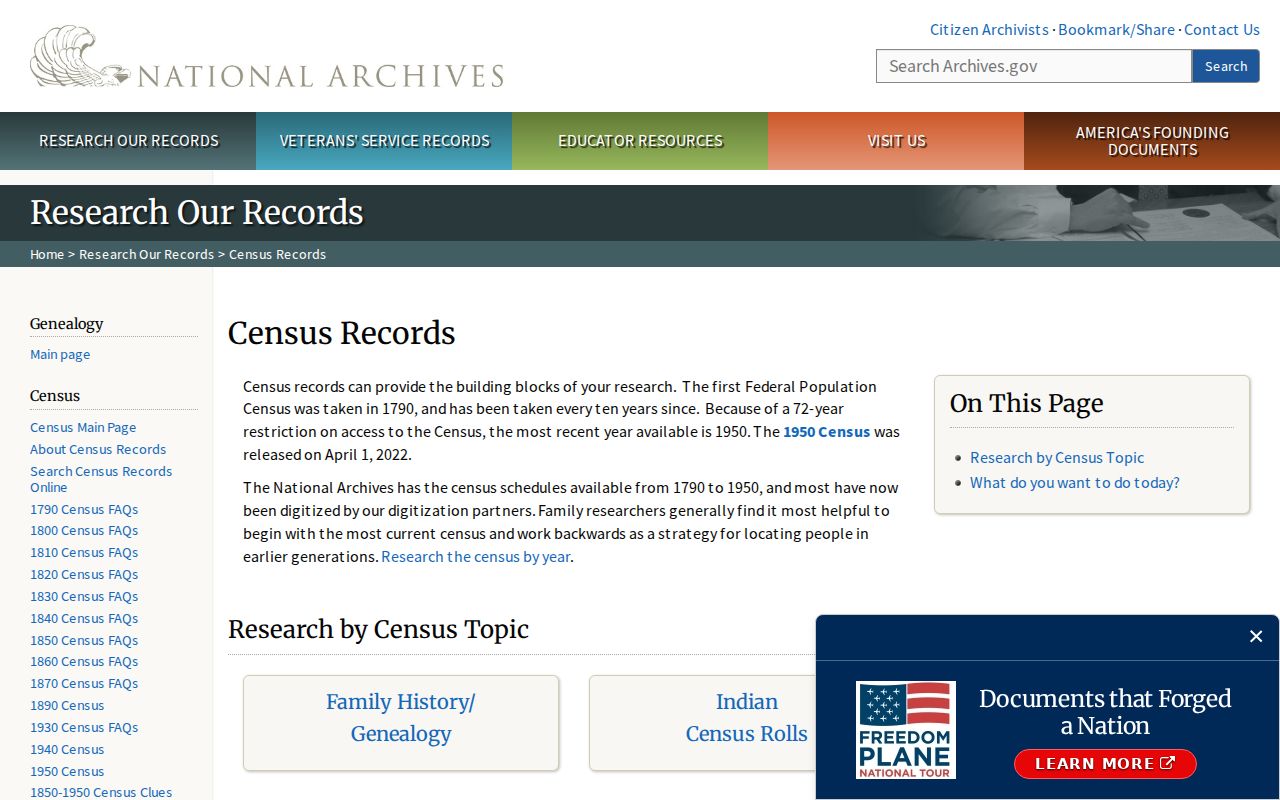
The census image belongs beside the address workflow because the federal schedule adds household context that an owner record cannot supply.
Read Highland’s 1919-1938 Telephone Reel
The verified Library of Congress run is a regional reel titled “California - White Pages and Yellow Pages - Colton - January 1919 thru October 1938.” Its January 1919 target includes Highland to San Bernardino, later groupings change, and the reel has 445 images. Browse the target sheet, inspect pages rather than trusting OCR, and search surname variants, initials, and nearby entries.
A telephone entry identifies a subscriber, address, and exchange or number. One subscription can represent a household. A changed subscriber, missed scan, changed regional section, or old spelling can explain a missing result. Compare adjacent editions before using it as a date.
Map Highland’s 1907 House
Library of Congress catalog identifies one 1907 Highland Sanborn sheet. It shows a footprint, materials, and street context for the older core, not names. Use it to test whether a structure existed, then connect the footprint to a legal description, deed, telephone record, or census. Do not extend one sheet into later East Highland subdivisions.
Sanborn evidence answers a narrow question about structure and lot context. A later permit or parcel map may explain a replacement, split, or changed number.
Use Highland Permits as Date Clues
Building and planning files can date work and name an owner, applicant, architect, or contractor. No public historical permit-name database was located. Request an existing address and date range through the City Clerk. City Hall is at 27215 Base Line, Highland, California 92346. The Clerk’s number is 909-864-6861 extension 226, Monday through Thursday 7:30 a.m. to 5:30 p.m.; email publicrecords@cityofhighland.org.
The public-record form asks for the record, name, mailing address, email, phone, and delivery choice. Choose email, pickup, or postal mail. Email is free; paper is $0.35 per page, plans $2, and postage applies. The city ordinarily determines a request within 10 days and may issue a written extension. Ask for permits, planning applications, tract maps, lot-line adjustments, or notices already held.
Code-enforcement and investigative materials can be partly exempt because of complainant privacy, security, privilege, or active-investigation concerns. A permit date can anchor a house-history timeline, but it does not prove that the person named in the file lived at the parcel.
Close Highland Trails with Probate and Obituaries
County Archives holds probate from 1853 through 1926. Files are organized by case and date and may name spouses, children, heirs, or property. The Arrowhead catalog supports keyword, advanced, subject, collection, and creator browsing. The building reports closed; contact ARC-DLRecArchive@arc.sbcounty.gov or 909-387-1001 before visiting.
Vital records add a separate path. County marriages begin in 1853; register-format births and deaths cover 1873-1910, with statewide registration from 1905. Authorized certified copies have statutory limits, confidential marriages are restricted, and county birth, death, and marriage indices are not an open name list. Verify a clue through ARC, then compare probate.
Obituaries can connect an address to relatives, but the Highland branch library says it does not perform obituary requests. Search independently, then verify through vital or probate records. Federal court material can add a date or relationship lead, not a normal address roster.
Federal docket and document access is a distinct official research channel.
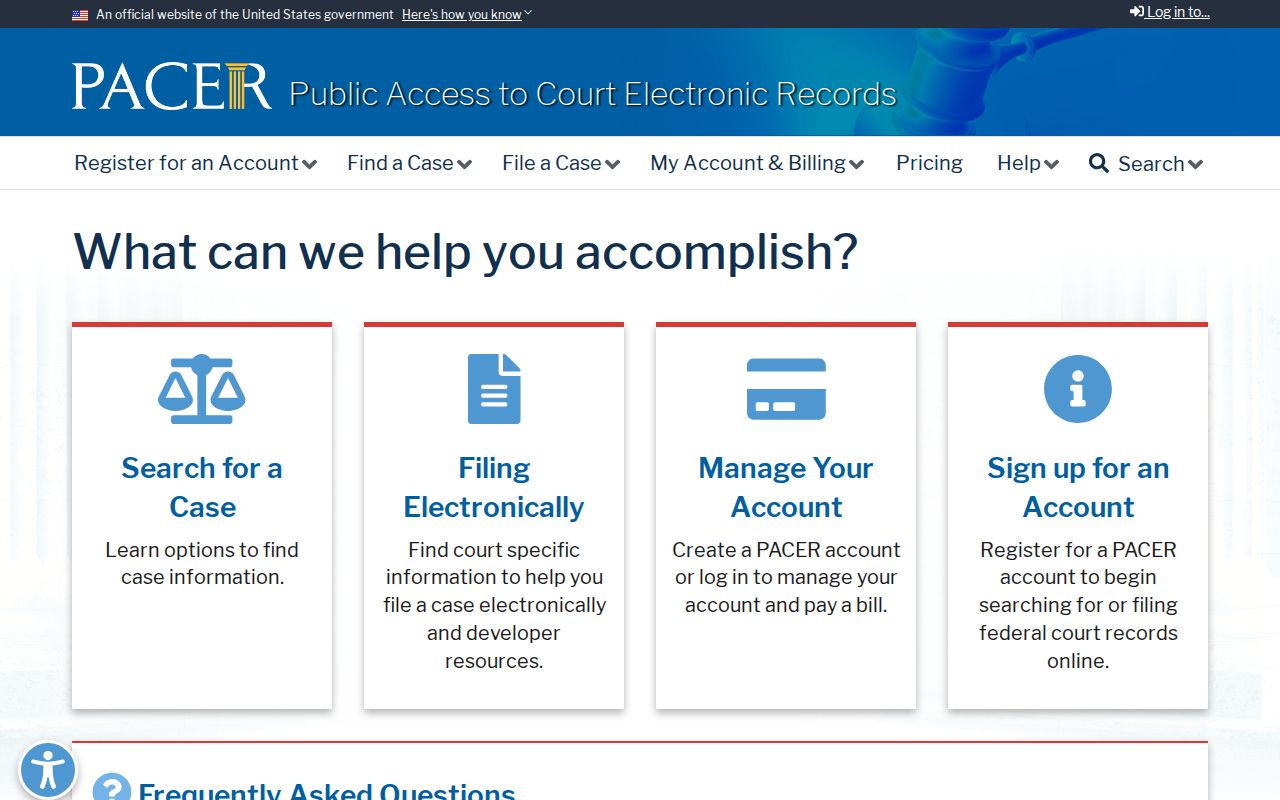
The court image belongs at the edge of a house-history search: use a federal filing only when its parties, dates, or quoted address are relevant, and confirm the lead elsewhere.
Account for Highland’s Changing Geography
Highland’s records predate the city. The community incorporated in 1987, and a major northeast annexation finished in October 2000. Before 1987, a census, directory, permit, or court reference may use a township, county, San Bernardino, or community heading. After annexation, the custodian can change with the parcel line.
When a search loses a household, test older geography before assuming the name disappeared. Compare city GIS, the county line, directory target sheets, and legal description. “Highland” can be a community, postal, school, district, or city label depending on the year.
Highland Previous Residents and Privacy
A lawful house-history project can reconnect family records, explain an inherited parcel, or preserve local memory. Stop when a source is confidential, a protected person is involved, or the next step would follow a living person. Owners, subscribers, census households, and probate heirs are different categories.
California’s Safe at Home program supplies a substitute address and confidential forwarding for qualifying participants. Voter rules exclude protected records, and the Public Records Act does not require disclosure of exempt private material. Correct source records with their custodians.
Lawful house history. Use Highland previous-residents research for family history, genealogy, estate questions, and personal curiosity. Never use a historical address trail to track, threaten, stalk, or harass a living person. A public record is an invitation to verify, not permission to intrude.